
By Diana Ghelber, MD | Institute for Advanced Psychiatry, Fort Worth, Texas
November 3, 2026
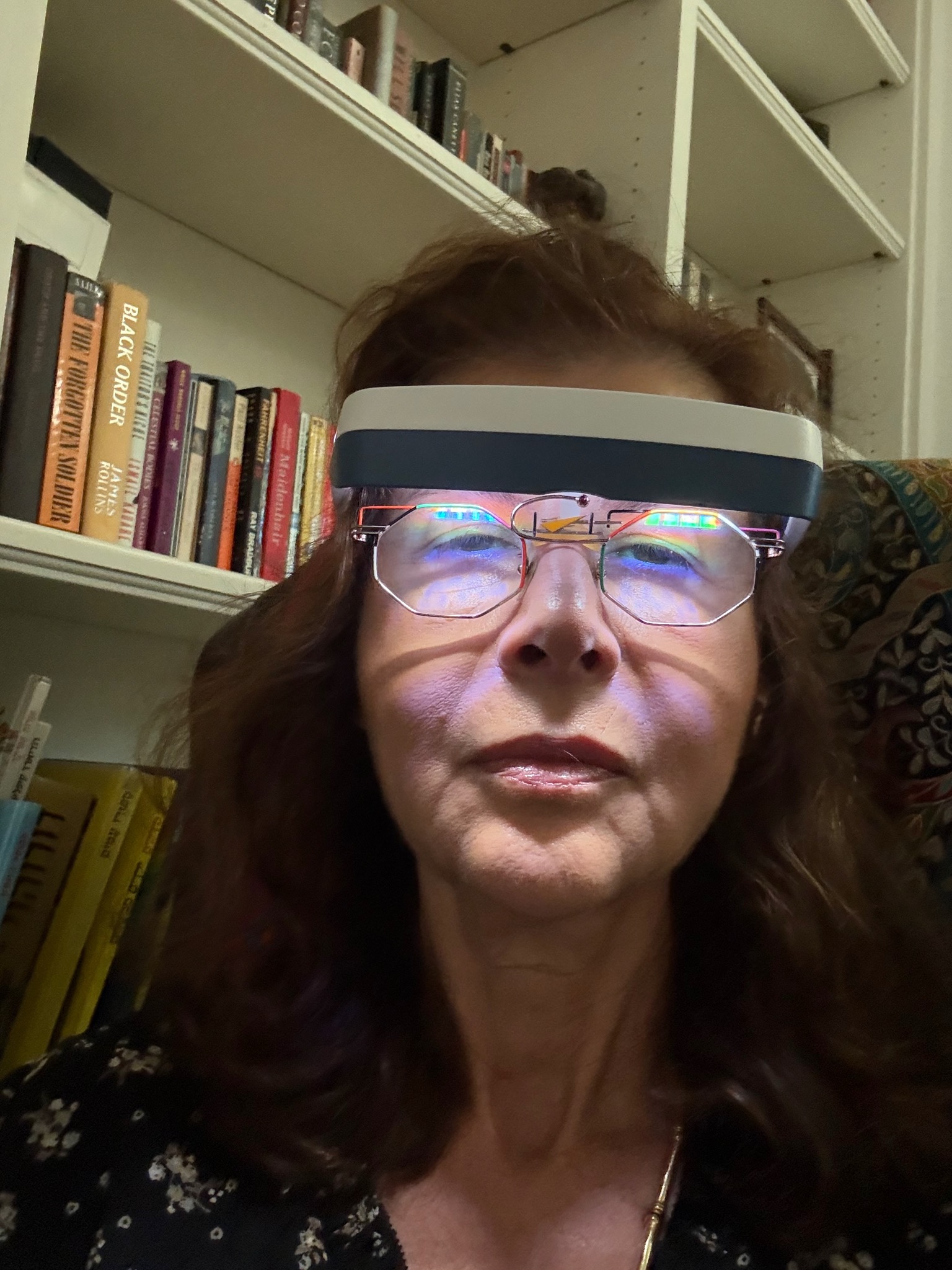
This morning, a friend sent me a picture—a small reminder that the season has changed and it may be time to bring a little more light into our mornings. I had my own light therapy device ready. Today, I thought I would share it with you.
We have just turned the clocks back. The evening arrives earlier, sometimes before we feel finished with the day. We leave work and find that the light has already gone home.
The clock change itself does not take away daylight; it shifts when we experience it, giving us earlier morning light and earlier sunsets. But the days are also growing shorter. For some people, this change passes almost unnoticed. Others feel it in their sleep, their energy, their desire to be with people—or in the effort it takes to begin an ordinary day.
Light is more than something that helps us see. It helps set our internal clock, influencing when we feel awake and when we feel sleepy. Seasonal changes in daylight can disrupt these rhythms and contribute to changes in mood, particularly in susceptible people.
When does a seasonal change become seasonal depression?
Feeling a little slower in winter does not necessarily mean you have depression. Seasonal affective disorder, or SAD, is depression with a recurring seasonal pattern, most often beginning in fall or winter.
Symptoms can include persistent sadness, loss of interest, low energy, sleeping more than usual, increased appetite or carbohydrate cravings, and withdrawing from others. The difference is not simply that you dislike the darkness; it is that the change begins to affect how you feel and function.
As a psychiatrist, I encourage patients to notice these patterns. If a familiar heaviness returns each fall, it deserves attention. You do not have to dismiss it as “just the weather.”
How can light therapy for seasonal affective disorder help?
Bright light therapy, also called light box therapy, is an established treatment for winter-pattern seasonal affective disorder. It involves sitting near a specially designed light box on a consistent schedule.
It can help reduce depressive symptoms and improve energy. Some people notice changes within several days; others need a few weeks. For some, it is sufficient on its own. For others, it becomes part of a treatment plan that includes psychotherapy or medication.
I appreciate treatments that can become part of daily life: a little time in the morning, perhaps while reading or having breakfast. But simple does not mean that the details are unimportant. With light therapy, timing, brightness, distance, and consistency all matter.
Choosing and using a light therapy lamp
There are many devices available, and this is not a comparison of brands. I often refer patients to Mayo Clinic’s guide: Seasonal affective disorder treatment—Choosing a light box. It is a helpful starting point for understanding the choices and what to look for.
For a conventional bright light box, typical recommendations include:
- A light box designed for SAD that filters out ultraviolet light.
- 10,000 lux at the manufacturer’s specified sitting distance.
- Approximately 20–30 minutes in the morning, usually within an hour of waking.
- Eyes open, without looking directly into the light.
- A schedule and setup reviewed with your clinician.
Treatment is often continued throughout the darker months. How long to use it each day, and when to stop for the season, should reflect your symptoms and response. An ordinary desk lamp is not a substitute for a therapeutic light box.
What are the risks of bright light therapy?
Light therapy is generally well tolerated, but it is still a treatment. Headaches and eyestrain can occur. Certain medications increase sensitivity to light, and people with eye conditions should consult their clinician or eye specialist before beginning.
People with bipolar disorder need particular care and medical supervision, because bright light therapy can trigger hypomania or mania. Racing thoughts, unusual agitation, or needing much less sleep should prompt stopping treatment and contacting the treating clinician. Longer sessions are not necessarily better.
A small glimpse of my own morning
The photograph accompanying this post shows me wearing my own light therapy device. It is not an advertisement or an endorsement of that particular device. It is simply a glimpse of my own morning routine. The light-box recommendations above describe conventional bright light boxes; wearable devices may use different light levels and treatment schedules, so their instructions should not be treated as interchangeable.
Being a psychiatrist does not place me outside the seasons or outside the need to care for myself. I, too, have to notice, adjust, and put good intentions into practice.
That is what my friend’s picture reminded me of this morning.
If the darker months are bringing persistent sadness, loss of enjoyment, or difficulty getting through your days, please reach out for an assessment. Light therapy may help, but the first step is understanding what you are experiencing. You can also learn about depression treatment at our Fort Worth practice.
We cannot ask November to become June. We can pay attention to what the season asks of us—and, when appropriate, bring a little more light into the morning.