
Off-Label and Emerging Applications of TMS
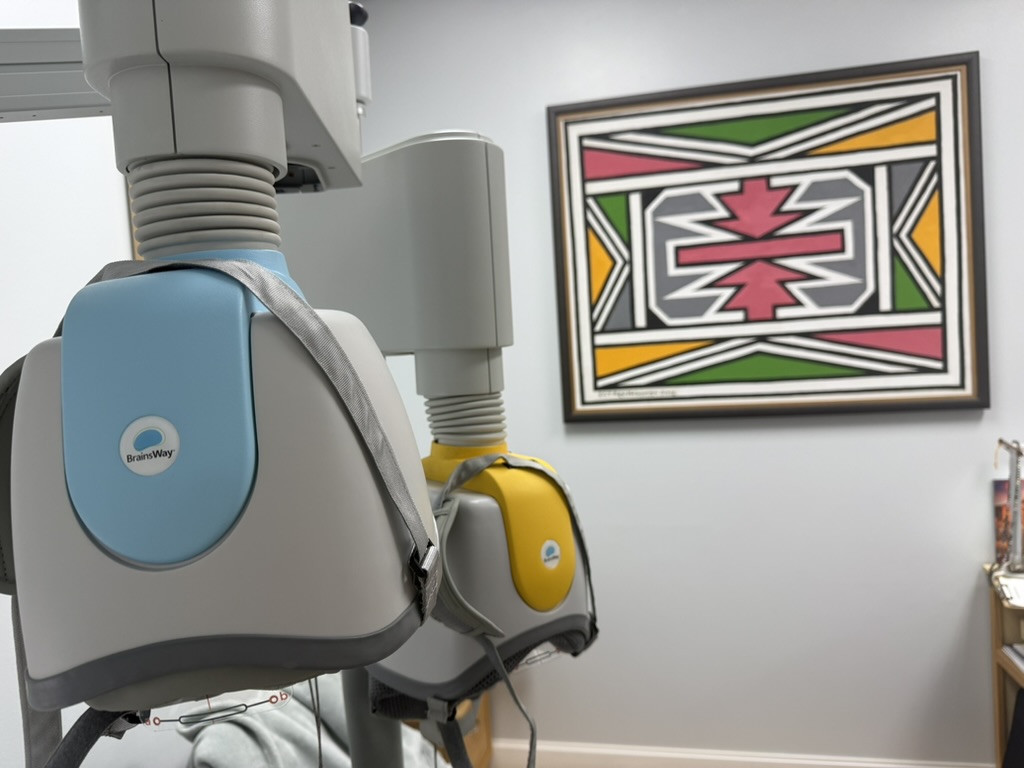
Transcranial magnetic stimulation (TMS) is best known for the treatment of depression, but its potential applications extend much further. Researchers and clinicians have studied TMS for a growing range of psychiatric, neurological, pain, addiction, and rehabilitation-related conditions.
At the Institute for Advanced Psychiatry in Fort Worth, we believe patients have the right to understand reasonable treatment options that may be relevant to their condition. This includes understanding what is established, what is used off-label, what remains investigational, and where meaningful clinical evidence is developing.
FDA clearance is important, but it is one part of a broader clinical discussion. We also consider the available evidence, severity and complexity of the condition, previous treatments, impact on daily functioning and quality of life, available alternatives, and the potential consequences of delaying treatment.
Off-label does not mean that a treatment is unsupported, but neither does it mean that effectiveness has been established for every patient or condition. The strength of evidence varies substantially among the applications discussed below.
Learn more about Deep TMS at the Institute for Advanced Psychiatry.
Treating the Person, Not Only the Diagnosis
Neurological illness, chronic pain, traumatic brain injury, stroke, and other complex conditions frequently coexist with depression, anxiety, sleep disturbance, loss of function, and major changes in quality of life.
Sometimes the question is whether TMS may help the neurological or pain-related syndrome itself. In other situations, the more appropriate target may be a co-occurring psychiatric syndrome such as depression. Sometimes both questions are relevant.
Our goal is not simply to match a diagnosis to a TMS protocol. We consider which clinical syndrome is causing the greatest impairment, the evidence relevant to that syndrome, previous treatment, and how psychiatric, neurological, medical, and rehabilitation care can work together.
For patients with severe, persistent, or progressive illness, waiting also has consequences. Patients should be able to understand reasonable options, their limitations and uncertainties, and participate meaningfully in decisions about their care.
Psychiatric and Behavioral Applications
TMS for Bipolar Depression
TMS has been studied for depressive episodes in bipolar disorder. When considering TMS, it is important to distinguish bipolar depression from unipolar major depression and to consider the patient's broader treatment plan.
TMS for PTSD and Anxiety
TMS has been studied for post-traumatic stress disorder (PTSD), generalized anxiety, panic symptoms, and other anxiety-related conditions. Different brain targets and treatment protocols have been investigated, and the evidence continues to develop.
Depression, PTSD, and anxiety also frequently overlap. Treatment planning therefore begins with understanding the clinical syndrome or combination of syndromes that is causing the greatest impairment.
TMS for Addiction and Craving
Neuromodulation research has explored brain networks involved in craving, reward, motivation, and compulsive behavior.
TMS has been studied for smoking and nicotine dependence, alcohol use disorder, cocaine and other stimulant-use disorders, and behavioral addictions such as gambling. Smoking cessation has progressed to an established FDA-cleared TMS application, while other addiction applications remain areas of active research.
TMS does not replace appropriate addiction treatment, medication when indicated, psychotherapy, recovery support, or a higher level of care when needed.
Learn more about Addiction Care at the Institute.
Pain, Headache, and Neurological Applications
TMS for Neuropathic Pain and Fibromyalgia
TMS has a meaningful research literature in neuropathic pain, particularly involving stimulation of brain regions involved in pain processing and motor function. Fibromyalgia and other chronic pain syndromes have also been studied.
We have experience evaluating TMS in patients with neuropathic pain. Chronic pain also commonly interacts with depression, anxiety, sleep, activity, and quality of life. In some patients, treating a co-occurring psychiatric syndrome may itself be an important part of improving overall functioning.
Learn more about our approach to Chronic Pain.
TMS for Migraine and Headache
TMS has been studied for migraine and other headache disorders, and specific TMS approaches have progressed from research into established clinical use.
We have experience considering TMS approaches in patients with migraine. The evidence and appropriate protocol depend on the type of headache and the individual clinical situation.
TMS After Traumatic Brain Injury (TBI) and Concussion
TMS research after traumatic brain injury and concussion has examined persistent depression, anxiety, headache, cognitive difficulties, and other post-TBI symptoms.
These patients may have several overlapping problems rather than a single treatment target. A person may, for example, have persistent neurological symptoms together with major depression or anxiety after the injury. Determining what we are trying to treat is essential.
Because brain injury may also affect seizure risk, TMS after TBI requires careful individualized assessment and appropriate neurological or rehabilitation care.
TMS After Stroke: Recovery, Balance, Coordination, and Ataxia
TMS is being studied as a way of influencing neuroplasticity after stroke. Research includes motor recovery, walking, balance, coordination, activities of daily living, and other aspects of rehabilitation.
We have clinical experience with TMS in patients with post-stroke ataxia and coordination difficulties.
Stroke also illustrates why treating the whole clinical picture matters. Post-stroke depression and anxiety can significantly affect function, motivation, rehabilitation, and quality of life. Treating a co-occurring depression is a different clinical objective from attempting to improve a neurological deficit, although both may matter to the same patient.
TMS, when considered for neurological recovery, should complement—not replace—neurological care and rehabilitation.
TMS Research in Epilepsy
TMS has also been studied in epilepsy, including research examining whether particular stimulation approaches can influence cortical excitability and seizure activity.
This does not mean that TMS is an established treatment or FDA-cleared indication for epilepsy. The evidence remains limited and inconsistent.
Epilepsy is also important when evaluating TMS for another condition because seizure history is part of the safety assessment.
TMS for Parkinson's Disease
TMS has been studied for several problems associated with Parkinson's disease, including motor symptoms, gait, mood, and other aspects of functioning.
The appropriate clinical question is not simply whether “TMS treats Parkinson's,” but which syndrome or functional problem is being targeted and what evidence exists for that particular approach.
TMS for Multiple Sclerosis and Fatigue
Research has explored TMS for symptoms associated with multiple sclerosis, including fatigue, mood, motor symptoms, and spasticity.
Fatigue itself is not a single disease. It may occur with multiple sclerosis, after stroke or TBI, with depression, sleep disorders, medications, neurological disease, or systemic medical conditions. Understanding its cause is essential before deciding whether neuromodulation has a reasonable role.
TMS for Alzheimer's Disease and Other Dementias
TMS has been investigated for cognitive symptoms in Alzheimer's disease and other neurocognitive disorders, including approaches combining stimulation with cognitive training.
These remain emerging applications. Cognitive decline requires appropriate medical and neurological evaluation before considering an investigational or off-label neuromodulation approach.
TMS and Autism
Researchers have studied TMS and other forms of noninvasive brain stimulation in autism, targeting different symptoms and brain networks.
The evidence remains investigational. There is no single established protocol that can simply be described as “TMS for autism.”
TMS for Depression During Pregnancy
TMS has been studied as a non-systemic treatment approach for depression during pregnancy. Treatment decisions during pregnancy require individualized consideration of the risks of untreated depression, available treatments, the evidence for TMS, and maternal and fetal considerations.
Other Emerging TMS Applications
TMS research continues in many additional areas, including persistent auditory hallucinations and negative symptoms associated with schizophrenia, eating disorders, neurological and systemic fatigue syndromes, neuromuscular conditions, and other neuropsychiatric and neurological disorders.
The amount and quality of evidence vary substantially. Inclusion on this page does not mean that TMS is established or appropriate for every condition listed.
From Research to Clinical Practice
Treatments that are established today often began as research questions. TMS itself moved from research into established treatment for major depression, followed by additional applications as evidence developed.
Clinical trials remain essential, but patients seen in everyday practice are often more complex than participants in tightly controlled studies. They may have tried multiple medications and treatments, take several medications, or have psychiatric, neurological, and medical conditions occurring together.
Real-world and post-marketing studies can therefore add important information about effectiveness, tolerability, patient selection, and treatment in more complex populations. They complement controlled clinical trials rather than replace them.
Not every emerging application will ultimately become an established treatment. The purpose of following the research is to understand where the evidence is becoming meaningful—and where it remains too preliminary.
How We Consider an Off-Label or Emerging TMS Option
We do not recommend TMS simply because a study has been published for a diagnosis.
We consider the clinical syndrome we are trying to treat, how severely it affects daily life, previous treatment and response, established alternatives, psychiatric and medical comorbidities, the quality of the evidence, the TMS approach that was actually studied, safety considerations, and how we would determine whether treatment is helping.
Sometimes this supports considering an off-label approach. Sometimes another treatment or specialist evaluation should come first.
Your Right to Understand Your Options
We believe patients should be informed participants in treatment decisions.
That means discussing reasonable established and emerging options relevant to the individual patient; what is known and what remains uncertain; potential benefits and risks; alternatives; and, when clinically important, the consequences of delaying treatment.
A consultation does not mean that TMS will necessarily be recommended. It is an opportunity to determine whether there is a reasonable clinical and scientific basis for considering neuromodulation in your individual situation.
Have Questions About Whether TMS May Be Relevant to You?
If you would like to learn more about TMS, you may schedule a complimentary consultation with our TMS and Practice Coordinator, Kumud Khanal. He can explain how TMS treatment works, what the treatment process involves, and help you understand whether scheduling a clinical evaluation with our team may be an appropriate next step.