
PRISM for PTSD
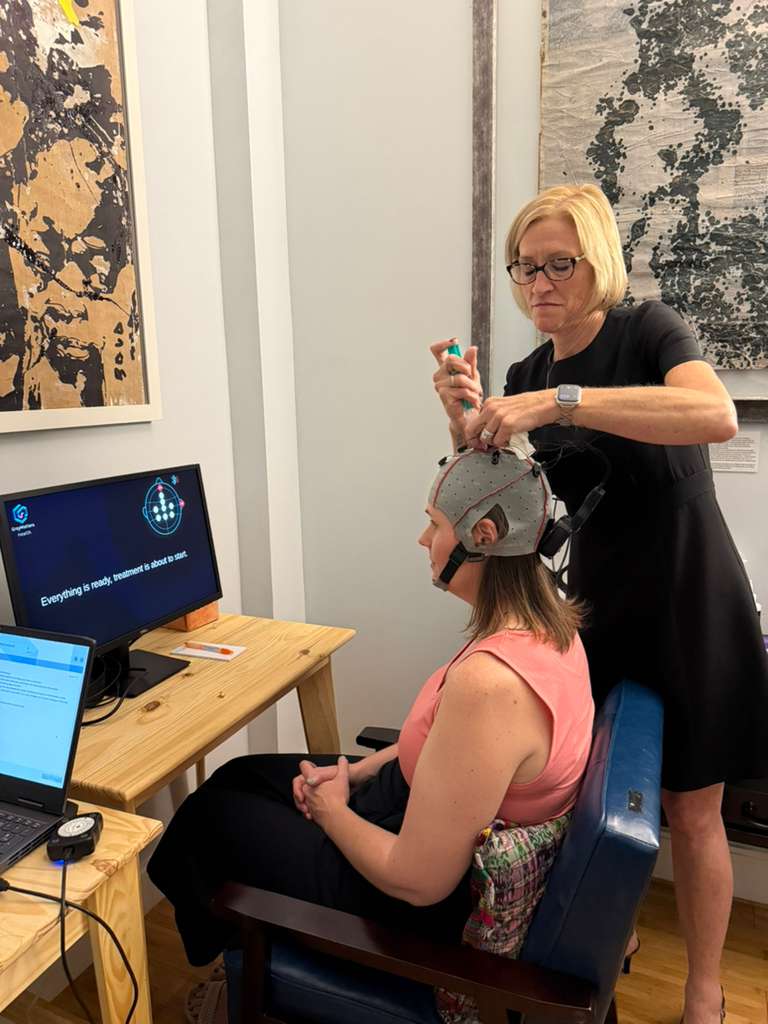
PRISM is a non‑invasive, FDA‑cleared treatment that helps your brain turn down the “alarm system” that drives PTSD symptoms. It uses an EEG headset and a computer simulation instead of daily medication or trauma‑focused talk therapy.

How PRISM works
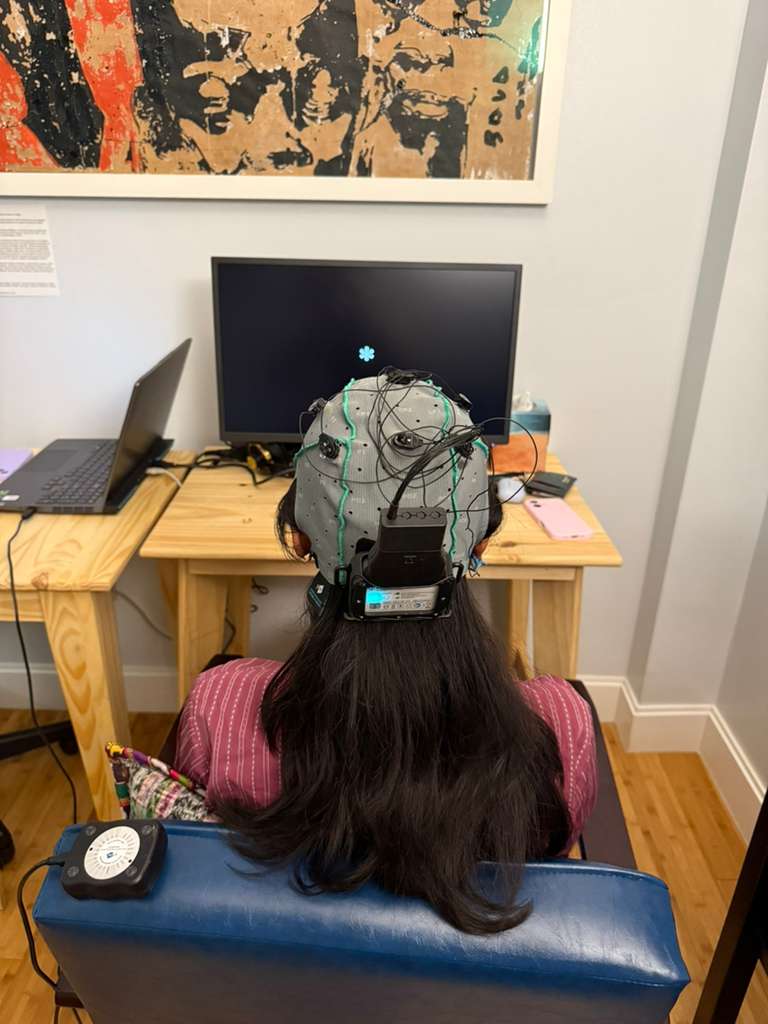
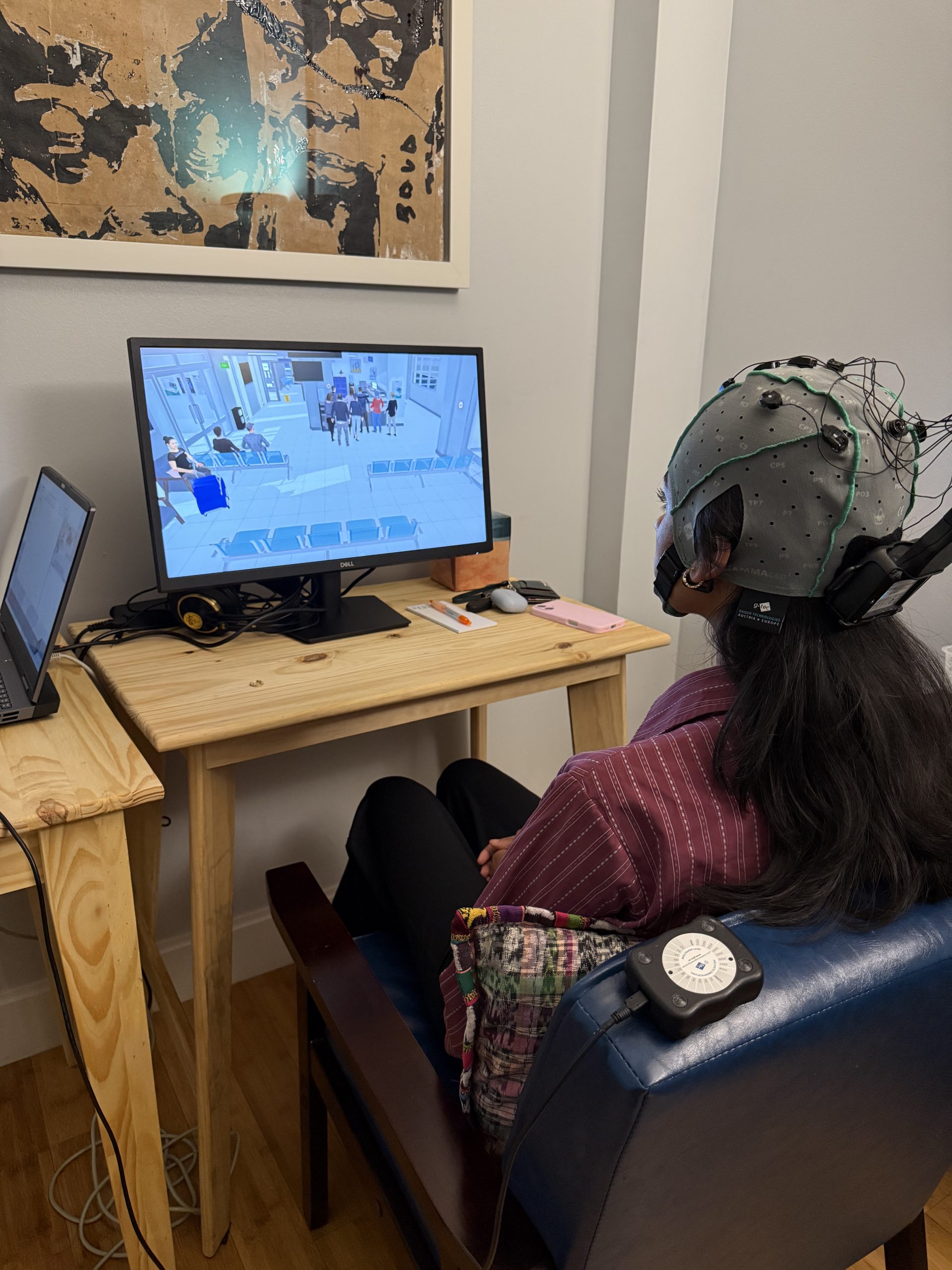
During each PRISM session, you wear a comfortable EEG cap while you watch a scene on a computer screen filled with animated characters. Those characters react instantly to your brain’s activity: when your brain is in a more reactive, “on guard” state, the scene looks tense; when your brain calms, the scene settles.
Together with your clinician, you discover a personal mental strategy (for example a certain image, memory, or body‑based focus) that reliably helps the scene calm down. Over about 15 sessions, your brain is gently trained to access this more regulated state more easily in everyday life.
What PRISM treats
FDA‑cleared (on‑label)
- Adjunctive treatment for post‑traumatic stress disorder (PTSD) in adults.
- Especially helpful for long‑standing PTSD, including when symptoms remain despite other treatments or when you prefer options beyond medication.sciencedirect+1
Early / emerging (off‑label, including anhedonia)
PRISM is officially cleared only for PTSD.
However, early research suggests that related PRISM protocols may also help conditions where reward and motivation are low, especially anhedonia (difficulty feeling pleasure) often seen in certain forms of depression.
There is very early but promising research on using PRISM‑based self‑neuromodulation for depression with anhedonia and related mood conditions. These uses are investigational and off‑label. We only consider them after a careful, individualized discussion of risks, benefits, and other options.
What to expect
Before you start
- Full evaluation to confirm PTSD and review your medical and treatment history.
- Baseline questionnaires so we can objectively track your progress.graymatters-health
During treatment
- Typical course: 15 sessions over about 6–8 weeks.
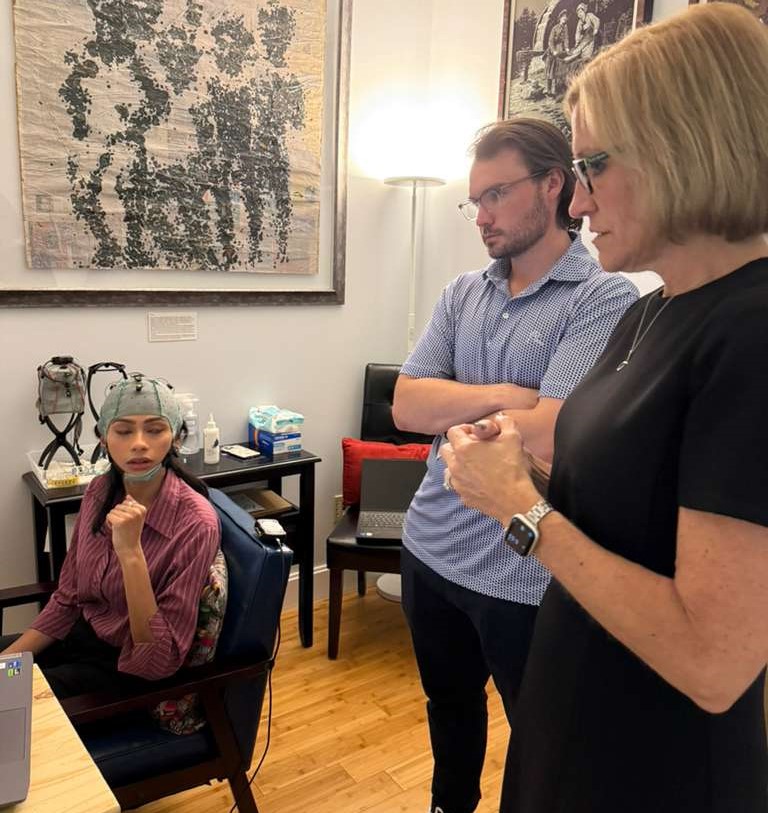
- Each visit is about 45 minutes. You sit comfortably, wear the EEG cap, watch the computer scene, and practice your personal “calming strategy” with your technician’s coaching.
After treatment
In the main clinical study of PRISM for chronic PTSD:
- 67% of patients had a clinically significant improvement in PTSD symptoms.
- 32% reached remission (no longer meeting PTSD criteria) three months after finishing the 15‑session course.sciencedirect
How PRISM is different
Here is how PRISM compares to common PTSD options: PRISM can be added to your existing care (therapy, medications, or both) or used as a focused stand‑alone intervention when appropriate.
In contrast, large reviews suggest that standard PTSD medications (SSRIs like sertraline or paroxetine) help about 60% of patients reach a response, with remission rates generally lower and requiring long‑term daily use. Trauma‑focused psychotherapies are effective for many patients, but can have non‑adherence rates around 17–24% because some people struggle with repeatedly revisiting traumatic memories.
Most reported PRISM side effects are mild and short‑lived (such as temporary fatigue or headache), and completion rates in the study were high.sciencedirect
Learn more and see my results
On this page, your “Learn more” area can include three concrete links:
Guided explainer video
- Watch: How PRISM for PTSD works
More about PRISM technology and data
- Learn more about PRISM on the GrayMatters Health website
About my PRISM results
If you’d like to see exactly how patients in my practice have done with PRISM, you can review my detailed outcomes report and the way GrayMatters Health highlights our results in their news and milestone updates. These resources show how my real‑world data compares with the published clinical trials and large post‑marketing experience.
Request an Appointment
Note: This form is for general inquiries only. For urgent mental health needs, please call us directly at 817-659-7344 or call 988 (Suicide & Crisis Lifeline).
By submitting, you agree to our Privacy Policy. We typically respond within 1 business day.