
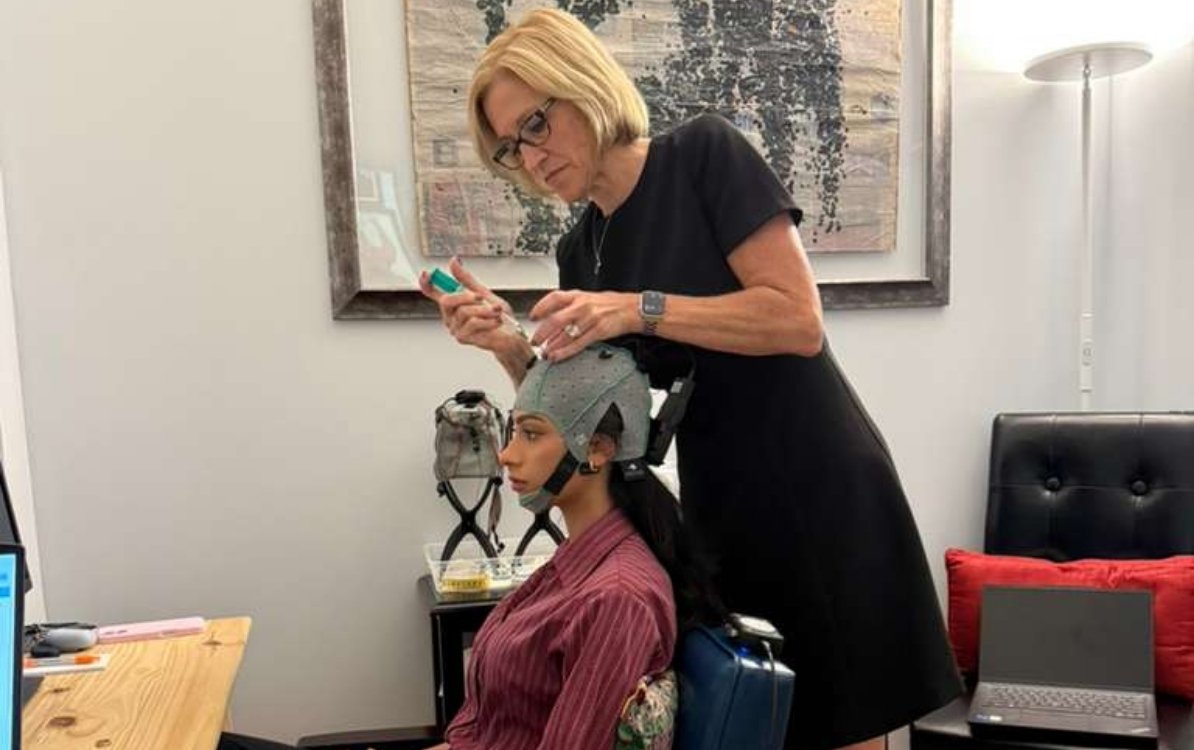
This article describes what a typical consultation for PRISM may look like in our practice. Every visit is individualized and may be different depending on your history and needs. It is not a guarantee that PRISM will be recommended or started, and there are no guarantees of outcomes.
PRISM is a non‑invasive, brain‑based treatment that uses EEG sensors and a computer simulation to give your brain real‑time feedback. It is used for PTSD and for symptoms such as anhedonia (feeling emotionally “numb” or unable to enjoy things). The goal is to help your brain learn more balanced responses to stress and to positive experiences over time.
Before your consultation
If you are able, we encourage you to read a little about PRISM ahead of time. You are also welcome to bring a loved one or support person to the visit. A support person can help you remember information, ask questions you might not think of, and talk through options with you afterward.
It can be helpful to write down:
- Your main goals (for example, fewer PTSD symptoms, feeling more joy, better functioning).
- Any specific worries or questions you have about the procedure?
Who you will meet
Your consultation is usually with a PRISM technician, in close collaboration with your clinician. The focus of this visit is education, safety, and fit—understanding how PRISM works and whether it might be a reasonable part of your treatment plan.
What will you talk about
During the consult, the technician will typically explain:
- A simple overview of how PRISM works: EEG sensors, computer‑based “avatars” or visual scenes, and how the system responds to your brain activity in real time.
- What happens in a standard session: how you are set up, what you see on the screen, how long you are usually in the chair, and how many sessions are commonly recommended.
- The purpose of the training is not to re‑tell or re‑live your trauma, but to practice more regulated responses while you receive immediate feedback from the computer.
The emphasis is on learning and practicing regulation, using strategies from your own “toolbox” (such as breathing, grounding, or other skills). Over time, the goal is that these responses become more automatic in daily life. The aim is not that you will never be triggered, but that your brain and body can respond more appropriately to the actual level of stress, instead of reacting as if every situation is an emergency.
Your clinician may also briefly review the data we have, such as published results and our own experience, including what percentage of patients in studies showed meaningful improvement, while emphasizing that individual responses vary and cannot be guaranteed.
You are encouraged to ask questions at any point so we can address your concerns as clearly as possible.
After the consultation
After the visit, your clinician will review all of the information with you and decide, together with you, whether PRISM is a reasonable option for PTSD, anhedonia, or both. You do not have to decide on the spot. Our role is to provide clear, honest information and to support you in being an active participant in your own healing process, so you can make the decision that feels right for you.