If you’re considering TMS (Transcranial Magnetic Stimulation), a common question is whether this treatment is the right fit for you. TMS is often used when other treatments have not provided enough relief—but in some cases, it can also be considered earlier, depending...
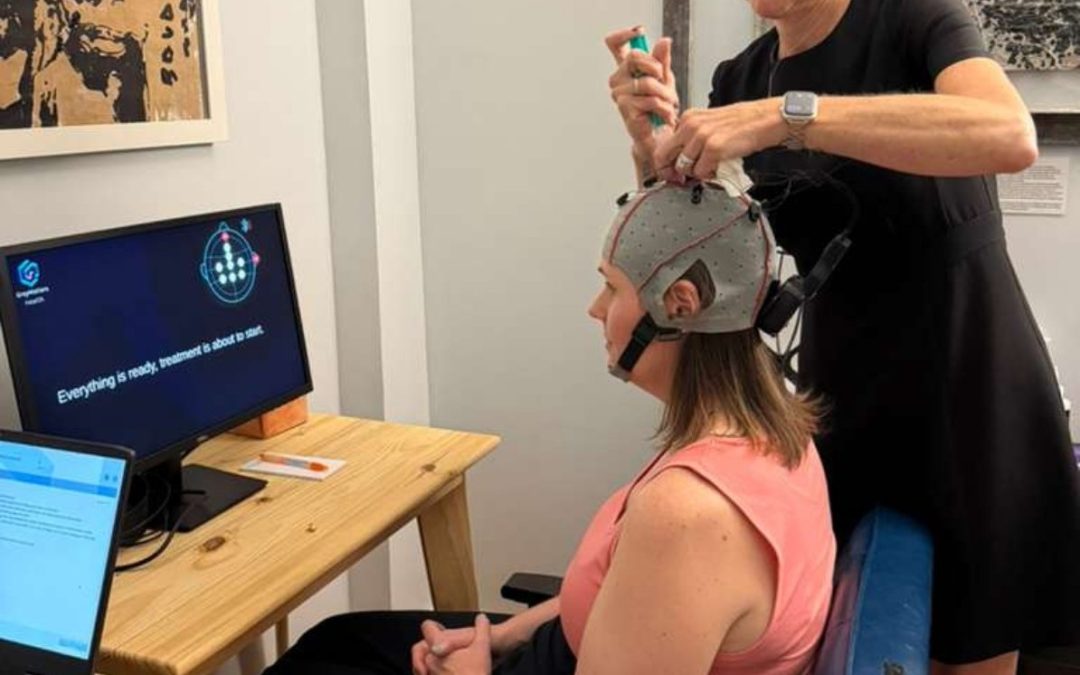
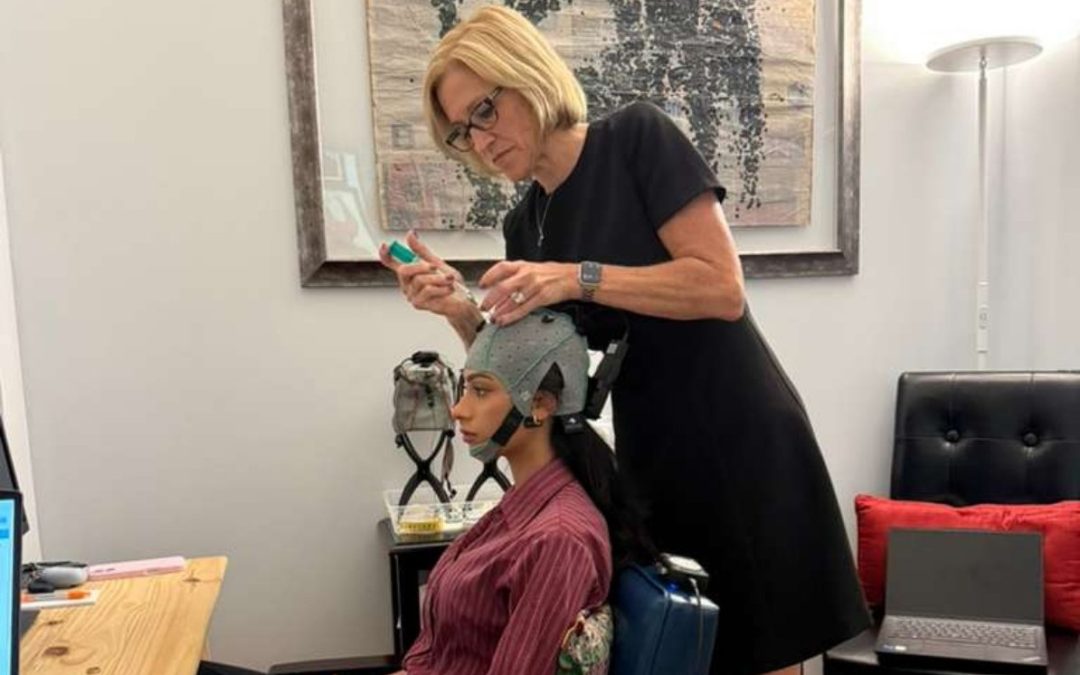
Your first TMS session is not just about starting treatment—it’s about building clarity, comfort, and trust. Before this visit, you will have already completed: A comprehensive psychiatric evaluation A consultation with our TMS coordinator, where you had the...
If you’ve been exploring treatment options for depression, OCD, or other psychiatric conditions, you may have come across Transcranial Magnetic Stimulation (TMS). One of the most important advancements in this field is Deep TMS (dTMS). In my practice, I often meet...
Treatment‑resistant depression (TRD) is a term we use when depression does not improve enough after trying good‑quality treatments. It does not mean your situation is hopeless. It means we may need to look more carefully at your diagnosis, your whole history, and...
Follow-up appointments are an important part of your care. They help track your progress, understand what has changed, and adjust your treatment when needed. Each visit is tailored to your individual needs and concerns. During your appointment, your clinician may ask...
This article describes what a typical consultation for PRISM may look like in our practice. Every visit is individualized and may be different depending on your history and needs. It is not a guarantee that PRISM will be recommended or started, and there are no...