TMS (Transcranial Magnetic Stimulation)
Psychiatrist Diana Ghelber, MD, is a certified provider of BrainsWay® Deep TMS at the Institute for Advanced Psychiatry in Fort Worth, Texas. She offers TMS as a noninvasive, medication‑free option for adolescents and adults (generally 15 and up) who are still struggling despite prior treatment or who cannot tolerate medication side effects.
If you or a loved one is looking for an evidence‑based alternative when standard treatments have not been enough, call the Institute for Advanced Psychiatry to see whether TMS may be right for you. We coordinate care closely with your existing psychiatrist, therapist, or primary‑care clinician whenever possible.
What is TMS therapy?
Transcranial magnetic stimulation (TMS) is a noninvasive procedure that uses pulsed magnetic fields to stimulate specific areas of the brain involved in mood, thinking, and behavior. The magnetic fields used in TMS are similar in strength to those used in a standard MRI scan.
How does TMS therapy work?
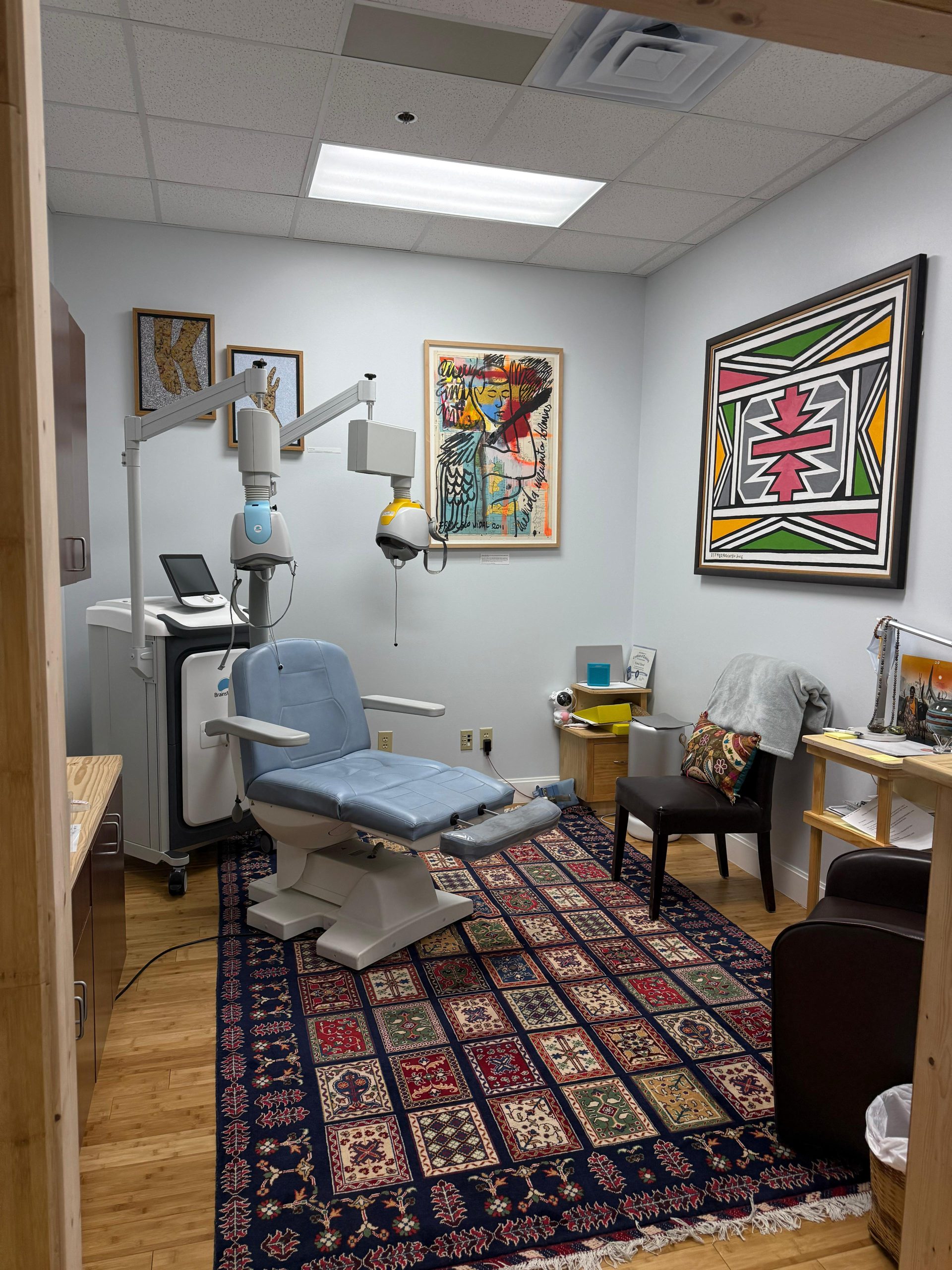
Dr. Ghelber uses the FDA‑cleared BrainsWay Deep TMS system. During treatment, a cushioned helmet delivers focused magnetic pulses through a specialized coil placed on your head, targeting key brain areas that help regulate mood.
These pulses increase the activity of a natural brain protein called BDNF (brain‑derived neurotrophic factor), which supports the health and growth of brain cells and helps them form stronger, more efficient connections.
By improving BDNF and communication between brain regions, TMS can help the brain become more flexible and resilient and relieve symptoms of depression.
Conventional TMS and newer theta‑burst protocols
Conventional TMS uses a steady train of high‑frequency pulses delivered over several minutes, typically once a day over a number of weeks. This is the best‑studied approach and remains the standard option for many patients.
Newer theta‑burst stimulation (TBS) protocols organize pulses into very brief “bursts” that follow natural brain rhythms involved in learning and plasticity. Because of this patterned delivery, TBS can provide strong effects on brain plasticity in a much shorter session time. Some protocols use TBS to shorten individual visits, while others use multiple short TBS sessions per day over a few days to accelerate treatment. At our clinic, we match conventional and theta‑burst–based approaches to your diagnosis, symptom severity, medical profile, and schedule, and review the pros and cons of each option with you.
What does TMS therapy treat?
On‑label (FDA‑cleared) indications
- Treatment‑resistant major depressive disorder in adults
- Late‑life depression
- Depression with anxious distress (anxious depression)
- Obsessive‑compulsive disorder (OCD) as an adjunctive treatment
- Smoking cessation/nicotine dependence
- Certain migraine indications, depending on the device and protocol
- Adolescent/youth depression for specific TMS devices
Off‑label / investigational indications
- Bipolar depression
- Generalized anxiety, panic disorder, and selected other anxiety disorders
- Post‑traumatic stress disorder (PTSD) and trauma‑related conditions
- Perinatal depression, including depression during pregnancy and postpartum
- Schizophrenia‑related symptoms (negative symptoms and persistent auditory hallucinations)
- Eating disorders (anorexia nervosa, bulimia nervosa, binge eating disorder)
- Alcohol, cocaine, and other substance use disorders
- Behavioral addictions, including gambling and other compulsive behaviors
- Chronic pain syndromes (for example, fibromyalgia and neuropathic pain)
- Parkinson’s disease motor symptoms
- Stroke rehabilitation and post‑stroke fatigue
- Multiple sclerosis–related symptoms, including fatigue and mood
- Alzheimer’s disease and other dementias (cognitive and behavioral symptoms)
- Autism spectrum disorder (ASD) in selected cases
- Neuromuscular and muscular dystrophy–related symptoms (very preliminary)
- Neurologic or systemic fatigue syndromes (for example, MS‑related fatigue, post‑stroke fatigue)
Off‑label disclaimer
Off‑label TMS uses are not specifically approved by the FDA for these conditions, may have more limited evidence, and might not be covered by insurance. They are only considered after an individualized evaluation and a careful discussion of potential benefits, risks, alternatives, and coverage.
What should I expect from TMS therapy?
First, Dr. Ghelber completes a comprehensive intake, including a detailed psychiatric evaluation, review of your medical history and medications, and a review of systems, to confirm that TMS is safe and appropriate for you. Your TMS course is individualized based on the condition being treated, symptom severity, and your treatment goals.
Sessions take place in‑office at the Institute for Advanced Psychiatry and are scheduled with our clinical coordinator so they fit into your daily routine. The goal is for TMS to become a predictable, manageable part of your week without derailing work, school, or family responsibilities.
During each session, you sit in a comfortable chair while a cushioned helmet containing the treatment coil is placed on your head. The length and frequency of sessions vary from person to person and depend on the protocol chosen (conventional or theta‑burst), the condition being treated, and your availability. Your plan is designed to balance effectiveness with minimal disruption to your schedule.
TMS is generally painless, though some people notice mild to moderate scalp discomfort or tapping sensations during the first few sessions. If discomfort persists, Dr. Ghelber can adjust the settings and discuss strategies to keep treatment as comfortable and sustainable as possible.
To learn more about TMS therapy or to schedule an evaluation, call the Institute for Advanced Psychiatry today or request an appointment online.
Request an Appointment
Note: This form is for general inquiries only. For urgent mental health needs, please call us directly at 817-659-7344 or call 988 (Suicide & Crisis Lifeline).
By submitting, you agree to our Privacy Policy. We typically respond within 1 business day.